
Children need Emotional Coping Strategies too
Junior Colleges • May 10, 2021
As adults, we often feel our problems are bigger just because we are. But children struggle with self-control just as much as we do, sometimes more. This can result in unpredictable or even explosive reactions to everyday situations. To manage these feelings, they need to use coping and calming strategies. These need to be taught so that over time, children can learn to implement these strategies for themselves.

One of the most important coping strategies to teach kids is to name their feelings. Strong emotions can be scary for kids and fuel strong reactions. But when kids can talk about how they’re feeling and what’s causing it, their emotions can feel more manageable.
Keep in mind that your behaviour affects how kids cope, too. Kids need to know that you understand what they’re going through. Responding to kids with empathy takes practice. But it can make a big difference in what kids hear and feel, and how willing they are to keep working on things that are hard.
Emotion-focused skills involve doing things that help your child feel better. They also involve doing something that offers a temporary distraction so they can return to the issue when they're feeling more level-headed.
The following are some healthy emotion-focused coping skills for kids.
Label feelings -
just being able to verbalise how they are feeling can really help
Breathing exercises -
slow deep breaths can help children relax their minds and bodies
Physical exercise -
strength-building and aerobic exercises can help get rid of excess energy when children are nervous or anxious
Make art -
channeling their emotional stress into painting, sculpting or making collages can help focus a child's energy into something they actually enjoy doing
Focus on the problem -
talking to your child about the situation will often reveal solutions you never thought of, or, even better yet your child could come up with solutions for themselves
How a love of reading begins long before a child can read, and how Junior Colleges Raslouw, a preschool in Centurion, brings stories into every day.
Running, climbing and balancing build more than strong bodies. Why movement matters for learning, and how our pre-school in Roodepoort puts it at the heart of every day.
Dress-up, make-believe and imaginary games do wonderful things for growing minds. Why pretend play matters, and how our preschool in Alberton makes room for it every day.
How small acts of independence build confident, capable children, and how our preschool in Sandton gives little ones room to say "I can do it myself."
How young children learn to speak up, perform and feel proud of themselves, and how our preschool in Fourways helps every child find their voice.
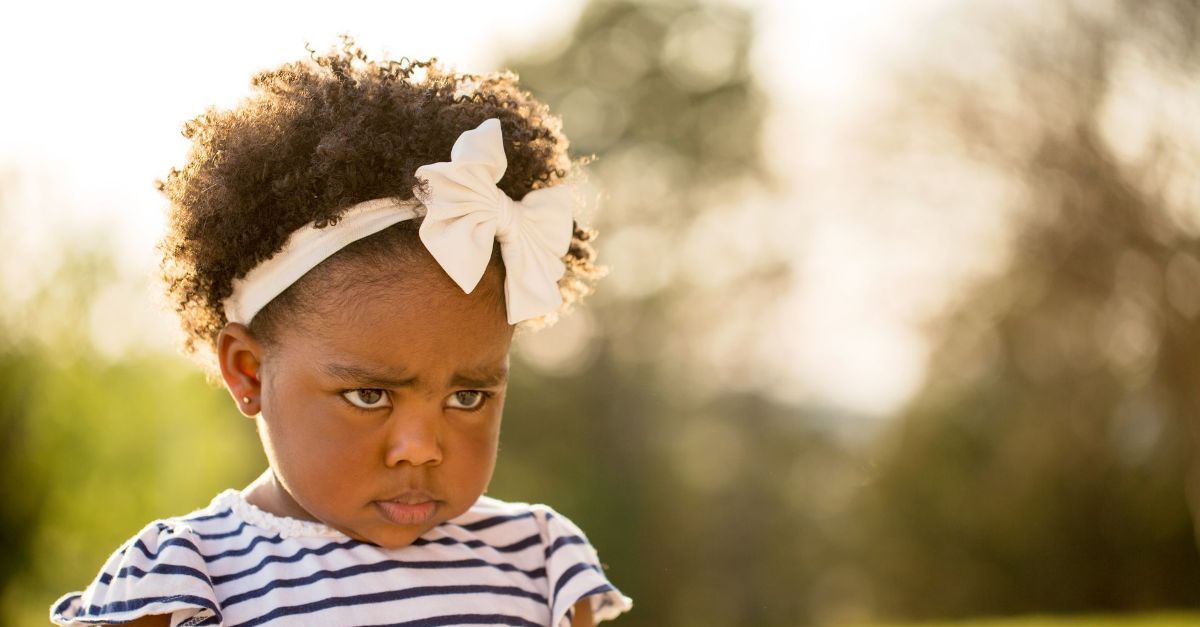
Parenting is a challenging journey, especially when it comes to children of any age. Just when you think you have the answers, the questions change. Like us, children sometimes struggle with regulating their emotions, leading to meltdowns and difficulties in problem-solving.
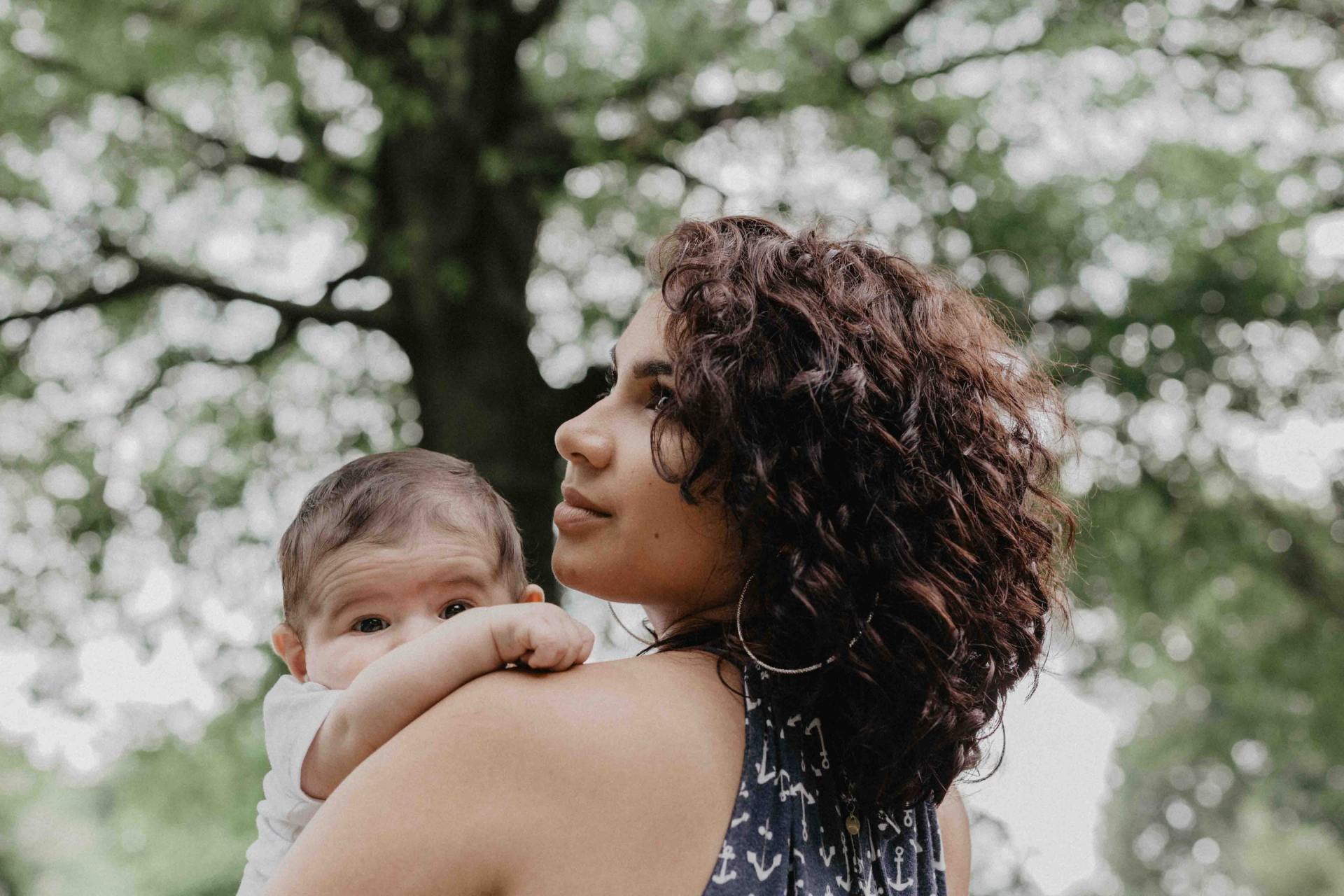
There is much discussion and debate on whether walking rings are beneficial or dangerous to babies. Once very popular and widely used, in more recent years there has been a strong debate on their usefulness. We will take a closer look into these reasons and decide whether it is worth the risk. 1. Walking rings can cause a risk of serious injury; · Risk of falling down stairs or tipping over can result in head injuries, concussion, skull fractures and or soft tissue injuries to head and neck. · The raised height of the baby means that they are in closer reach to hot drinks, kettle and iron cords, stoves, cleaning products etc. Walking rings make it easier for babies to reach up and pull things down. 2. Walking rings may result in delayed motor development. · The natural process of learning to walk includes babies learning to roll, sit, crawl, scoot and stretch. These pre-walking skills help a baby strengthen their muscles and learn to balance. · Walking rings may visually appear as though they are helping your baby to walk, however, they can delay their motor milestone development, and in fact, they can hinder your child’s mental and learning development as well. · Walking rings prevent your baby from viewing their limbs and feet, which help babies to visually guide their legs across the floor. The visual-motor skills are critical for a child’s development of depth-perception and visual processing needed for tracking words across a page, moving their eyes from sentence to sentence and paragraph to paragraph. · Walking rings limit eye and foot coordination, which is necessary for motor planning and sequencing (praxis)– generating an idea of what you want to do (ideation), figuring out how you are going to do it (organisation) and then carrying out what you want to do (execution). Children with poor planning and sequencing may find difficulty when needing have to think harder to complete new physical tasks, due to poorly integrated information from the sensory systems. Under-developed planning and sequencing skills impact on a child’s ability to organise themselves and learn new routines. · It also prevents your baby from using their natural movement needed for cross-laterality, which is important for right and left-hemisphere development of the brain, fine and gross motor skills, balance, posture and language skills. The advantages of using a walking ring are as follows: · Providing your baby with a source of entertainment. · Allowing parents the opportunity to do some household tasks while babies keep themselves busy. Given the high risk of injury and the possibility of delaying development and milestones, you have to ask yourself whether it is worth taking the risk. I raised my babies in an era where walking rings were very popular and our babies spent much of their day rolling around the house in them. However, now being able to make an informed decision with the experience I have through witnessing the injuries and delays involved in walking rings, I would personally recommend baby learning to crawl and walk on the floor. I honestly believe that the risk is too high and our babies are far too precious to take that risk. Teacher Natalie Early Childhood Educato
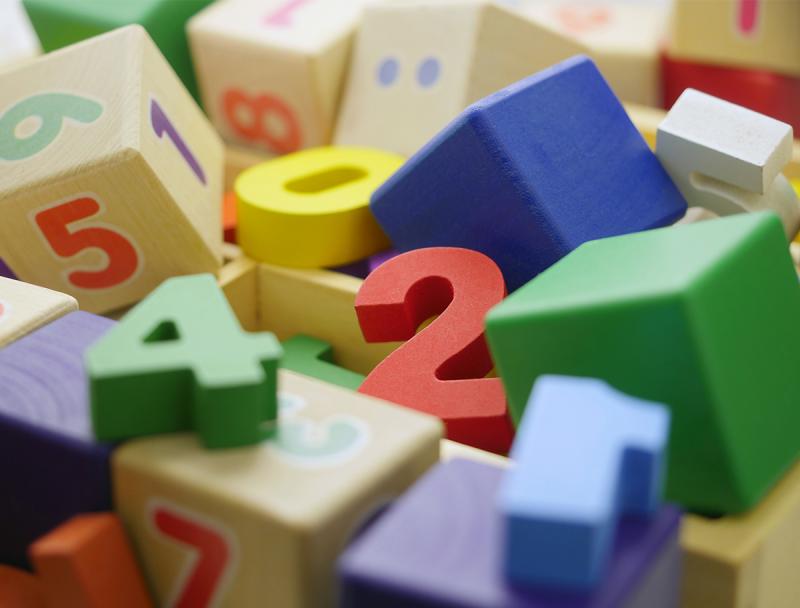
Early mathematical experiences must be presented in kinaesthetic and concrete ways, leading to semi-abstract activities in Grade 1.
In our Junior Colleges schools, we have introduced P4C or Philosophy 4 Children from Grade 000. We begin the lessons on learning to make a choice, to justify the choice and to have a change of mind should the evidence convince them to do so.
Play for a child, prepares them for adulthood with all life’s delights and contests. What better way to learn as a child than to be given the chance to play freely in large areas?